

Software testing jobs in Australia are growing steadily, and demand is strong across Sydney, Melbourne, Brisbane, and beyond. If you want to build a career in QA, there are real opportunities available right now — from manual testing roles at mid-sized companies to automation engineering positions at ASX-listed firms and tech startups. To build the skills employers expect and enter the market with confidence, many candidates start with structured training from Software Testing Course Australia.
What Does a Software Tester Actually Do?
It is the role of the software tester to ensure that software products are working properly before they get to the end-user. This involves finding bugs, creating test cases, performing regression testing, and ensuring effective communication with developers and product managers.
It is an intellectually challenging position, but one that involves technical expertise as well as logical thought processes and effective communication..
Types of Software Testing Roles in Australia
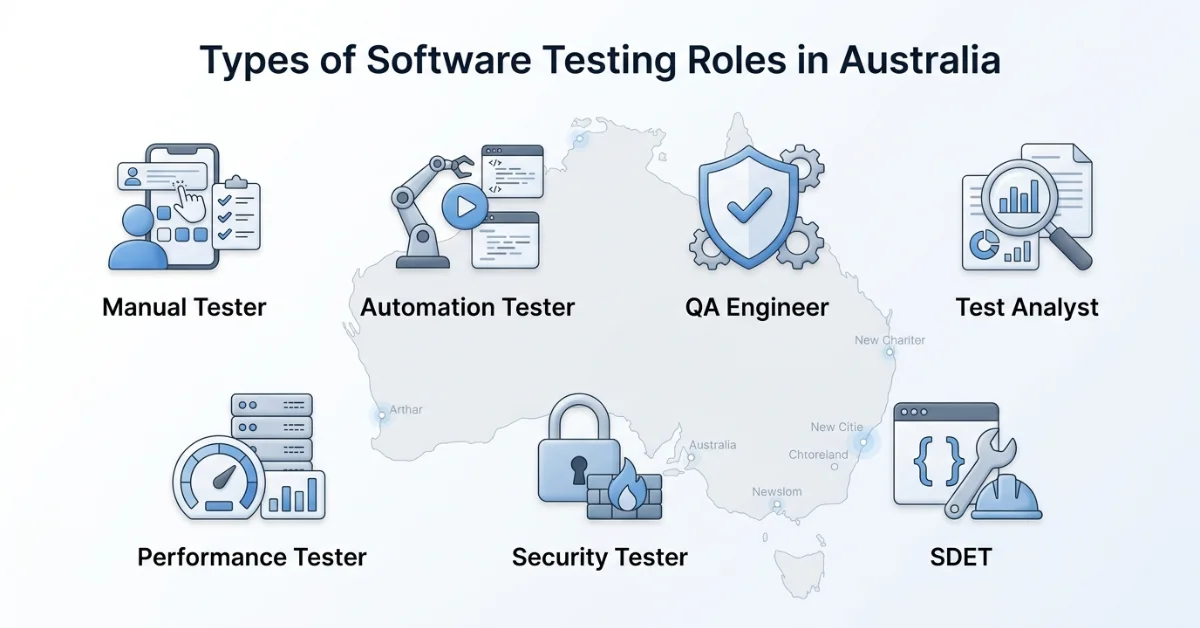
However, not all QA positions are created equal. Below is an overview of the most frequent job titles that one might encounter:
| Role Title | Focus Area | Experience Level |
| Manual QA Tester | Functional & exploratory testing | Junior–Mid |
| Automation Test Engineer | Selenium, Cypress, Playwright | Mid–Senior |
| Performance Test Engineer | Load & stress testing | Mid–Senior |
| QA Lead / Test Manager | Team leadership, strategy | Senior |
| SDET (Software Dev Engineer in Test) | Code-heavy testing, CI/CD | Senior |
| UAT Analyst | User acceptance testing | Mid |
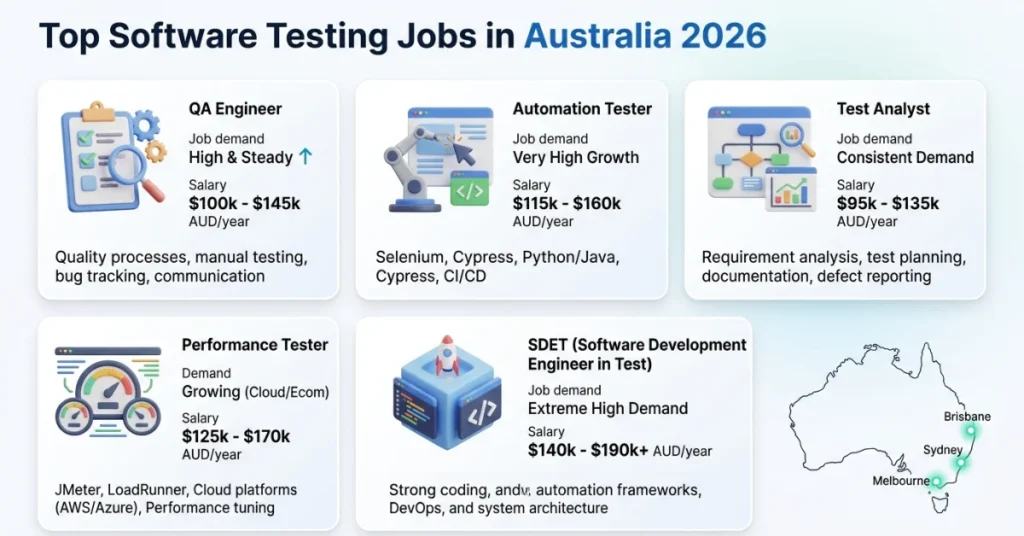
The market dynamics of each of these roles is unique. Currently, automation engineers are highly valued, especially those capable of writing readable test scripts using Python and Java.
Which Cities Have the Most QA Jobs?
The greatest number of software testing positions are found in Sydney and Melbourne. Brisbane is developing rapidly, especially in the public sector and the health industry. Perth is a strong mining technology and FIFO adjacent IT market, while Canberra offers constant openings for software testers with background in security clearance. Remote work opportunities have expanded considerably. The number of companies hiring testers across Australia has increased significantly; thus, a tester from Adelaide or Hobart may apply for a job advertised in Sydney.
Skills Australian Employers Are Looking For
Australian recruiters know exactly what they want from you. Below are some of the technical competencies most commonly required by employers through their hiring processes:
Technical skills employers expect:
- At least one of the automation frameworks – Selenium WebDriver, Playwright, or Cypress
- API testing experience with the help of tools such as Postman or RestAssured
- CI/CD knowledge – Jenkins, GitHub Actions, and Azure DevOps
- Familiarity with JIRA as well as test management platforms like Zephyr and Xray
- Basic SQL knowledge for database testing
- Performance testing with tools like JMeter and Gatling
Soft skills that actually matter:
- Written communication – importance of preparing bug reports
- Able to function within agile teams without compromising on quality objectives
- Analytical skills – critical analysis under ambiguous situations Requirements
If you are a new hire, start off by gaining expertise in one automation tool and one scripting language. Python will be a good option for the current market scenario.
Salary Ranges for Software Testers in Australia
The wages range according to cities, experience level, and specialisation. The below chart provides an average estimation for each job position according to the current market situation:
| Role Level | Salary Range (AUD) |
| Junior QA Tester | $60,000 – $80,000 |
| Mid-Level QA Analyst | $85,000 – $105,000 |
| Senior Automation Engineer | $110,000 – $135,000 |
| QA Lead / Test Manager | $130,000 – $160,000 |
| SDET | $130,000 – $155,000 |
The daily pay for contractors who test automation can range between $700-$950 depending on their experience. The jobs in Canberra for contractors usually fetch high remuneration due to the need for security clearance.
Certifications Worth Having in Australia
However, software testing certification is not required, but it certainly helps – particularly when you are entering the QA domain from another field or aiming for advanced positions.
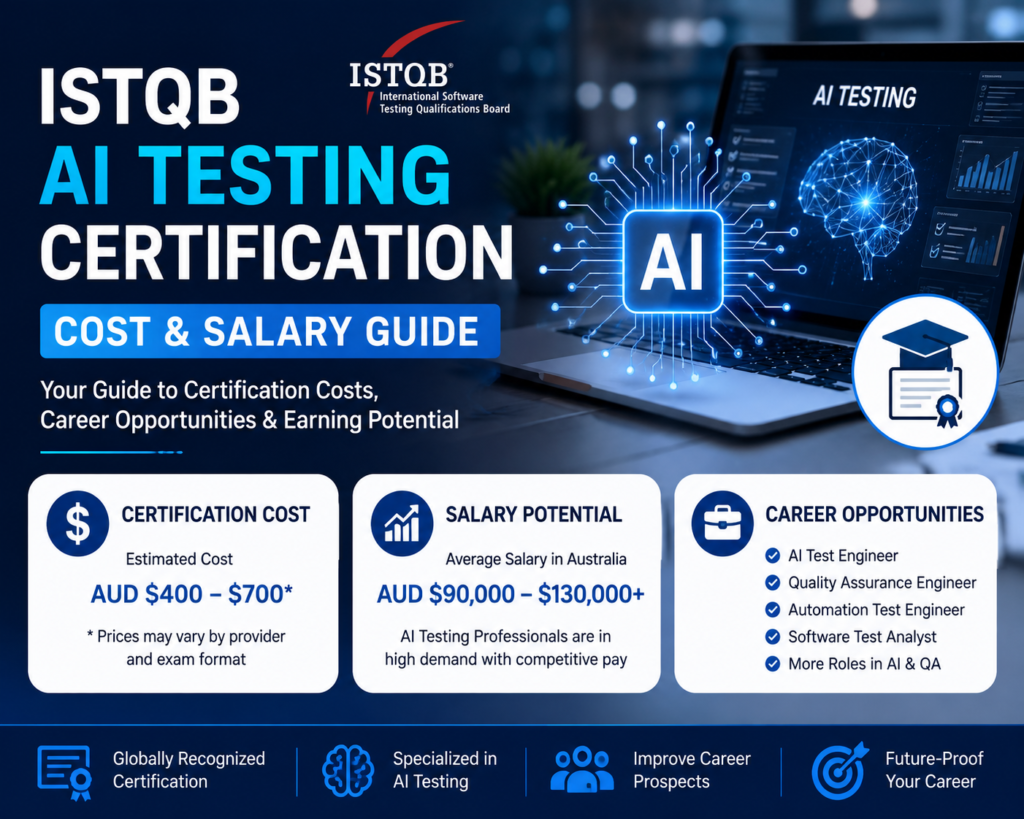
The most popular among them is ISTQB (International Software Testing Qualifications Board). It is highly regarded by Australian companies and implies Foundation Level of QA principles. In addition, if you have some experience, consider taking the Advanced Level in Test Automation Engineering.
Another certificate worth considering is AWS Certified Cloud Practitioner, which becomes increasingly important due to the growing adoption of cloud-based solutions in Australia.
For performance testing, there is another less popular certification called Certified Performance Testing Engineer (CPTE).
Where to Find Software Testing Jobs in Australia
Most QA positions in Australia are posted on a handful of main sites. Seek is still the most popular site for permanent postings. LinkedIn is good for senior and contractual positions, and recruiter cold calling is quite common at this level.
For Software Testing Jobs Australia, specialized IT job boards and QA-focused recruitment firms are likely to list roles that aren’t listed on general websites. You might want to develop a relationship with a recruiter who understands the local QA market.
QA and testing recruitment agencies that specialize in recruiting for Australia should be contacted directly. They may be aware of positions that aren’t listed yet.
The community is greatly undervalued. The annual Australian Testing Days event and regional meetups via networks like the Testing Peer Conference are good venues to connect with other QA practitioners around the nation. Just showing up at these conferences has won some people jobs.
How to Stand Out as a QA Candidate
The job market for QA specialists in Australia is highly competitive for both mid-level and senior positions. This is what makes a difference in the field:
A good GitHub account with automated tests is evidence of your expertise. Recruiters and employers really check them out. Even having a structured sample test framework with a brief overview of your methodological approach is a sign of professionalism.
Blogging about testing on LinkedIn or your own blog increases your visibility. Many QA specialists in Australia got new jobs after publishing their content online.
Tailoring your CV to the requirements of the position you apply for works well in Australia. It means mentioning specific frameworks, testing experience, and results wherever applicable.
Visa and Work Rights Considerations
Australia’s technology industry employs globally. Should you be pursuing a skilled visa route, then software testing positions fall under ANZSCO occupation code 261314 (ICT Quality Assurance Engineer). The occupation is listed on the Core Skills Occupation List, facilitating skill-based migration through temporary visas such as the Temporary Skill Shortage (TSS) visa and employment sponsorship for permanent residence.
If you are in Australia either on a working holiday visa or student visa that allows for work, then taking up contractual or part-time QA positions may provide an excellent foothold into the field.
Getting Started if You Are New to QA
It is feasible to break into software testing without having any previous experience. Several Australians who work in quality assurance had worked in positions such as business analysts, technical support personnel, or developers.
Commence with free materials. The syllabus for the foundation level of ISTQB is readily accessible. Develop your test portfolio by testing open source products and writing down the results. Learn one automation tool. Seek employment from firms that emphasize learning more than pre-existing knowledge.
The route may not be quick, but it is clear.
FAQ:
Q1. What qualifications do I need to get a software testing job in Australia?
You do not need a computer science degree to get into software testing in Australia. Most employers look for a combination of practical skills and relevant certifications. The ISTQB Foundation Level certificate is widely recognised across Australian companies and is a solid starting point. Hands-on experience with tools like Selenium, JIRA, or Postman carries more weight than a formal degree in many cases. If you want to build your skills from the ground up, completing a structured software testing course Australia gives you both the theory and practical exposure that local employers expect.
Q2. Is software QA testing a good career choice in Australia right now?
Yes, QA testing is a genuinely strong career path in Australia at the moment. Digital transformation across banking, healthcare, government, and retail has pushed demand for quality assurance professionals higher across all major cities. Automation testing skills in particular are short in supply. The role pays well, offers flexibility including remote work options, and has clear progression from junior tester through to QA lead and test manager. It is a career with real staying power as long as software is being built — and that is not stopping anytime soon.
Q3. How much does an entry-level software tester earn in Australia?
An entry-level or junior tester based in Australia receives an annual salary ranging from $60,000 to $80,000, which varies by location and industry. The salaries for graduate QA testers in the government sector or large organizations can even exceed $75,000, including superannuation benefits. Once you specialize in automation testing and develop expertise in continuous integration/deployment (CI/CD) systems and performance testing using tools such as JMeter, your salary prospects improve rapidly. Testers with two to four years of work experience in mid-level positions receive annual salaries ranging from $85,000 to $105,000.
Q4. What is the difference between manual testing and automation testing jobs in Australia?
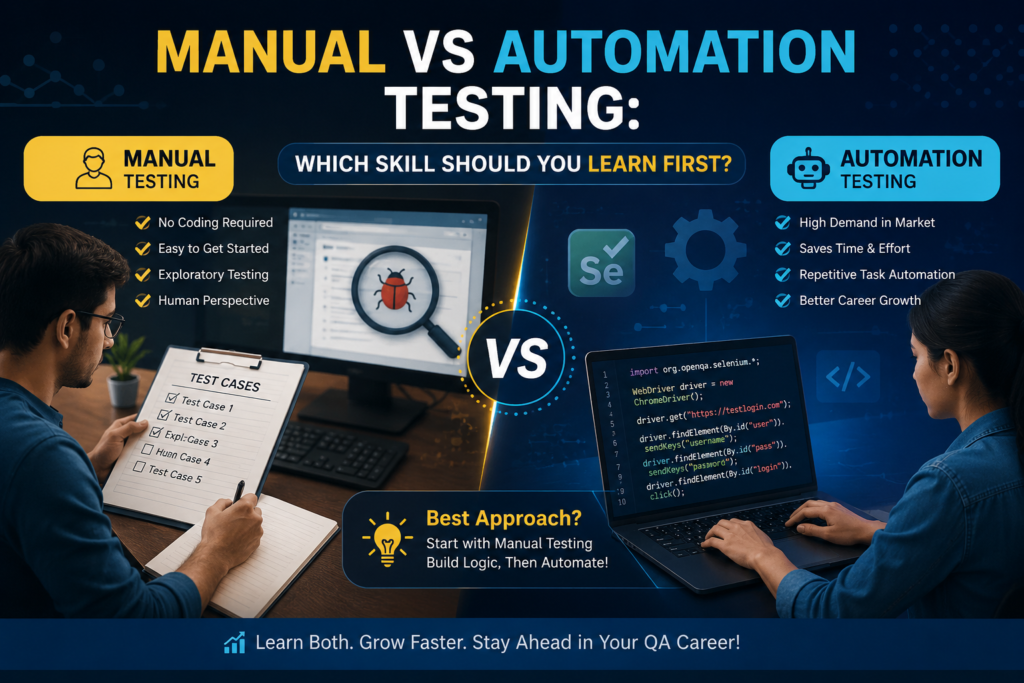
In the case of manual testing, it entails testing test cases manually without any coding by manually clicking on functionalities and ensuring that there are no defects within the output. Automation testing entails using scripts that have been developed in scripting languages such as Python or Java for automated running of tests. In Australia, both manual and automation testing jobs exist, although automation testing jobs pay better and are abundant in comparison. Testers mostly begin as manual quality assurance analysts before moving to automation after gaining experience. For your consideration, automation testing would provide you with greater opportunities in the industry.
Q5. Can I find remote software testing jobs in Australia?
Remote software testing positions can be found in Australia currently. Since 2020, various tech firms in Australia started adopting remote teams and have maintained them ever since. Remote QA positions can be seen listed on platforms such as SEEK and LinkedIn. There is especially high demand for senior automation testers and performance testers on a remote basis. While some firms may like QA specialists to be located within the same city because of sprint ceremonies and onboarding, it is now rare. When you look for QA positions, it will be helpful to filter your search to remote options only.
Q6. How long does it take to become a software tester in Australia with no experience?
For people who have never tested before, it generally takes between three to six months to become employable, assuming that you stick to your schedule and that you learn how to do testing basics, practice with testing software, develop a portfolio of examples, and prepare a resume with the needed skills. Completing a recognised software testing course Australia can shorten that timeline significantly because the curriculum is structured around what Australian employers actually want to see. Getting your ISTQB Foundation certificate alongside practical tool experience puts you in a strong position to apply for junior QA roles with confidence.
Resources used: ISTQB official syllabus (istqb.org), Australian Government Skills Priority List (dewr.gov.au), ANZSCO occupation classification (abs.gov.au)