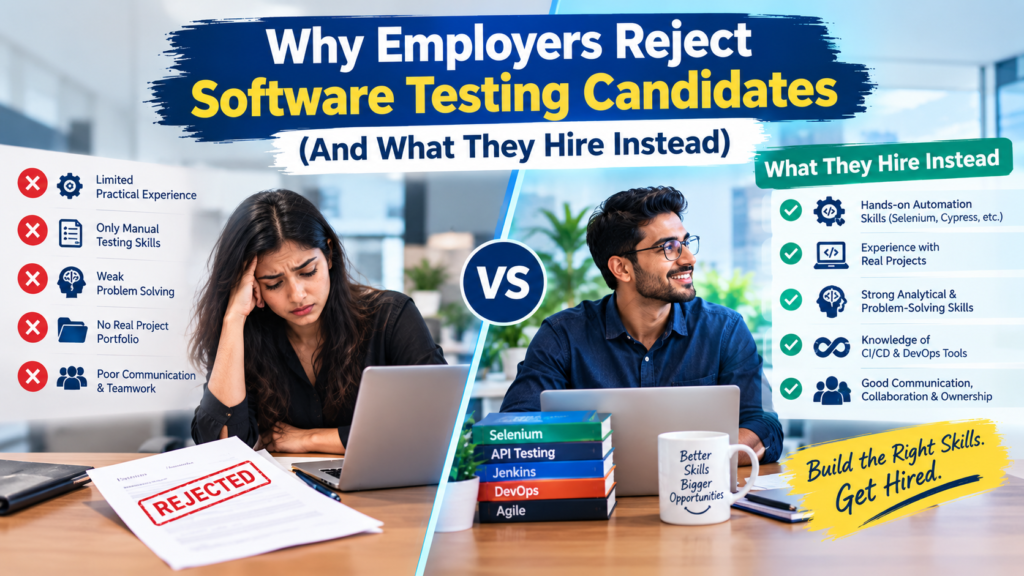
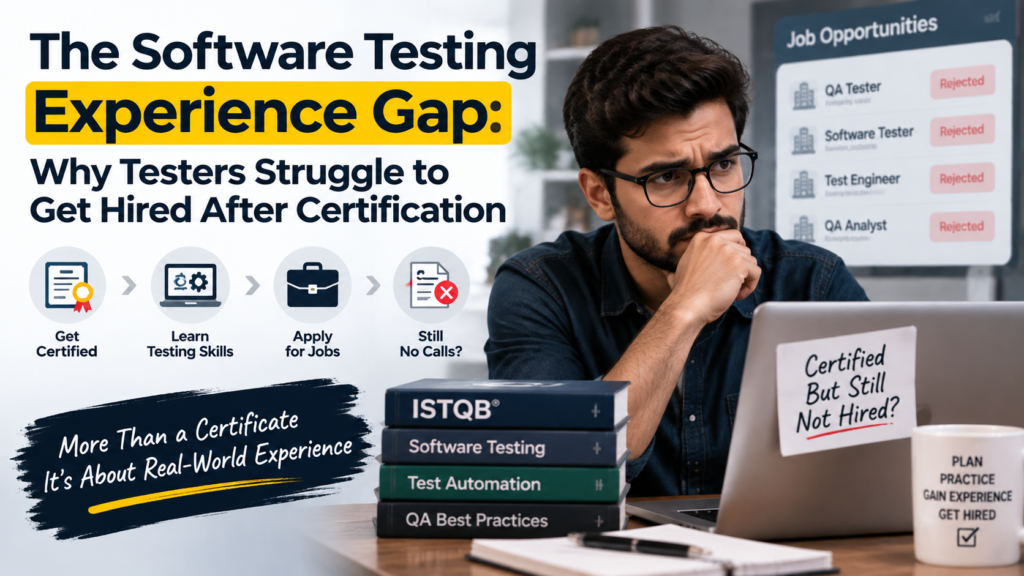
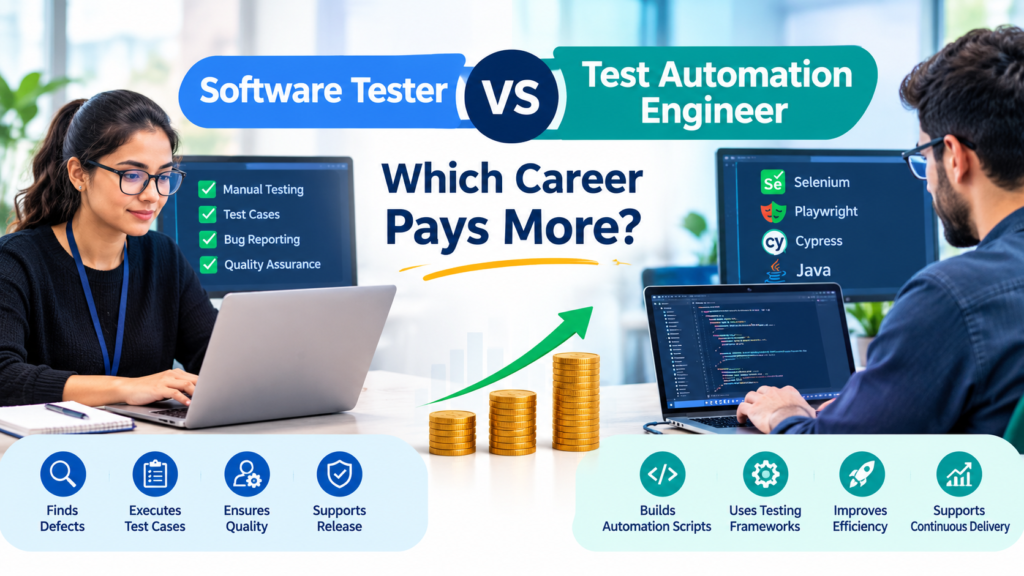
Every entry-level software testing job ad seems to ask for experience you can’t yet have which feels like a locked door, but it isn’t one. Getting a software testing job without experience is genuinely realistic, because QA is one of the few technical career paths where a certification, a small self-built portfolio, and the right job title can substitute for years on the job. The candidates who get stuck aren’t lacking ability they’re usually missing one of those three things, or targeting the wrong role entirely.
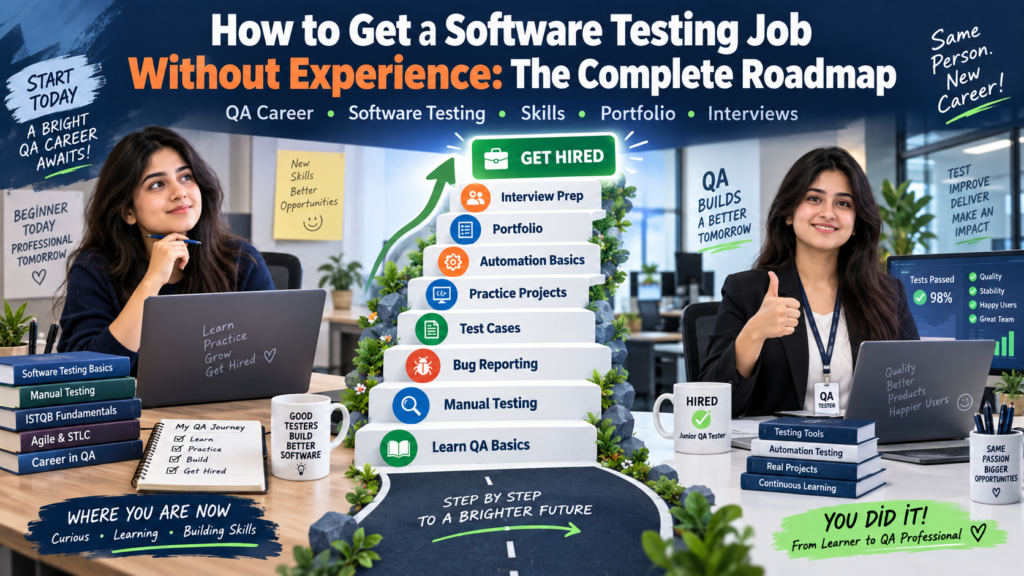
The Software Testing Job Without Experience Roadmap
Rather than one big leap, breaking into QA works best as a sequence: build the foundational knowledge, prove it with something tangible, then target the specific job titles that are actually designed for people without prior testing experience.
Step 1: Get ISTQB Foundation Level Certified
ISTQB Foundation is the single most recognised entry credential in software testing globally, and it signals to a hiring manager that you understand testing terminology, techniques, and the QA lifecycle even with zero professional experience. It’s the fastest way to be taken seriously by an ATS and a recruiter simultaneously.
Step 2: Build a Small, Documented Testing Portfolio
A certificate proves knowledge; a portfolio proves you can apply it. Pick a free or open-source app, write a simple test plan, execute manual test cases against it, log a handful of bugs properly, and document the whole process. This single project becomes the centrepiece of every interview conversation you’ll have.
Step 3: Learn One Basic Automation Tool
You don’t need deep automation expertise to get hired, but even basic familiarity with a tool like Selenium or Playwright enough to write and explain a simple test script puts you ahead of candidates who are purely manual-only.
The table below shows the roadmap at a glance:
| Stage | What to Do | What It Proves to Employers |
| Foundation | Complete ISTQB Foundation Level | You understand core QA concepts and terminology |
| Portfolio | Test a real (even free) app and document it | You can apply testing knowledge practically |
| Automation basics | Learn simple Selenium or Playwright scripts | You’re not purely manual-only from day one |
| Right job title | Target Junior QA/Test Analyst/Graduate QA roles | You’re applying where “no experience” is expected |
| Networking | Join local QA meetups and LinkedIn groups | You hear about entry-level roles before they’re widely advertised |
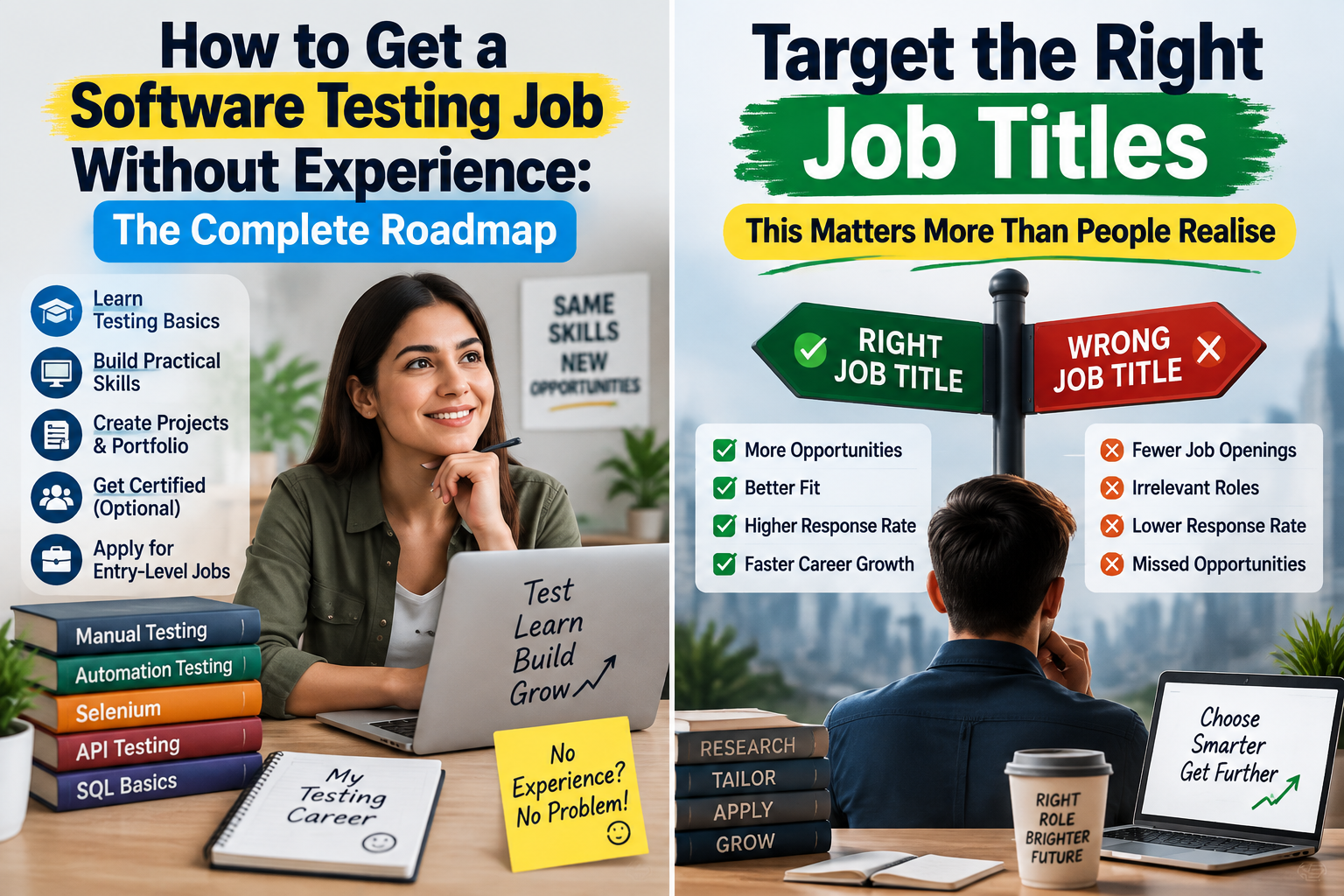
Target the Right Job Titles This Matters More Than People Realise
Many candidates apply directly for “Software Tester” or “QA Engineer” roles that quietly expect 1–2 years of experience, and get filtered out immediately. The realistic entry points are titles specifically built for people starting out:
- Junior QA Tester / Junior QA Analyst
- Graduate Test Analyst
- QA Trainee or Test Support roles
- Helpdesk or Support roles with a stated pathway into QA
Where This Plays Out Across Australia
Entry-level QA hiring patterns are fairly consistent nationally, though the strongest entry points shift slightly by city and industry.
| City | Strong Entry-Level Sectors | Common First Title |
| Sydney | Finance, insurance, government | Junior QA Analyst |
| Melbourne | Retail tech, health tech | Graduate Test Analyst |
| Brisbane | Government, education tech | QA Trainee |
| Perth | Mining tech, logistics software | Junior Software Tester |
| Adelaide | Defence and government IT | Test Support / Junior QA |
| Canberra | Government and public sector IT | Junior QA Analyst (security-cleared roles) |
Where to Build the Foundation Properly
Self-study can get you through ISTQB, but structured, instructor-led training builds the practical habits (test case writing, defect logging, basic automation) that self-study often skips. ISTQB Certification lays the certified foundation, while Manual vs Automation Testing: Which Skill Should You Learn First? helps you sequence the two skill sets correctly. Once you’re in your first role, QA Engineer Salary Australia and Software Tester vs Test Automation Engineer: Which Career Pays More? map out where the career can go from there. The full course catalogue is available at logitrain.com.au.
For the certification path itself, the official ISTQB website outlines the Foundation Level syllabus and global recognition of the credential, which is worth reviewing before you commit to a study plan.
Frequently Asked Questions
Can I really get a QA job with no experience at all?
Yes QA is one of the more accessible entry points into tech, provided you pair a recognised certification like ISTQB with a small documented portfolio and target the right entry-level job titles.
Do I need to learn automation before my first job?
Not fully basic familiarity with a tool like Selenium or Playwright is enough to stand out. Deep automation expertise typically develops after your first 1–2 years in a manual or hybrid QA role.
What’s the fastest path into a first QA role?
ISTQB Foundation plus one documented test project, applied specifically to Junior QA, Graduate Test Analyst, or QA Trainee roles, is the most direct and realistic path.
Final Thought
“No experience required” entry-level QA roles genuinely exist the roadmap is simply certification, a small portfolio, and applying under the right job title rather than the intimidating ones. If you want the certified foundation locked in first, explore ISTQB Certification training and start building toward your first QA role.